
Child-Parent Psychotherapy
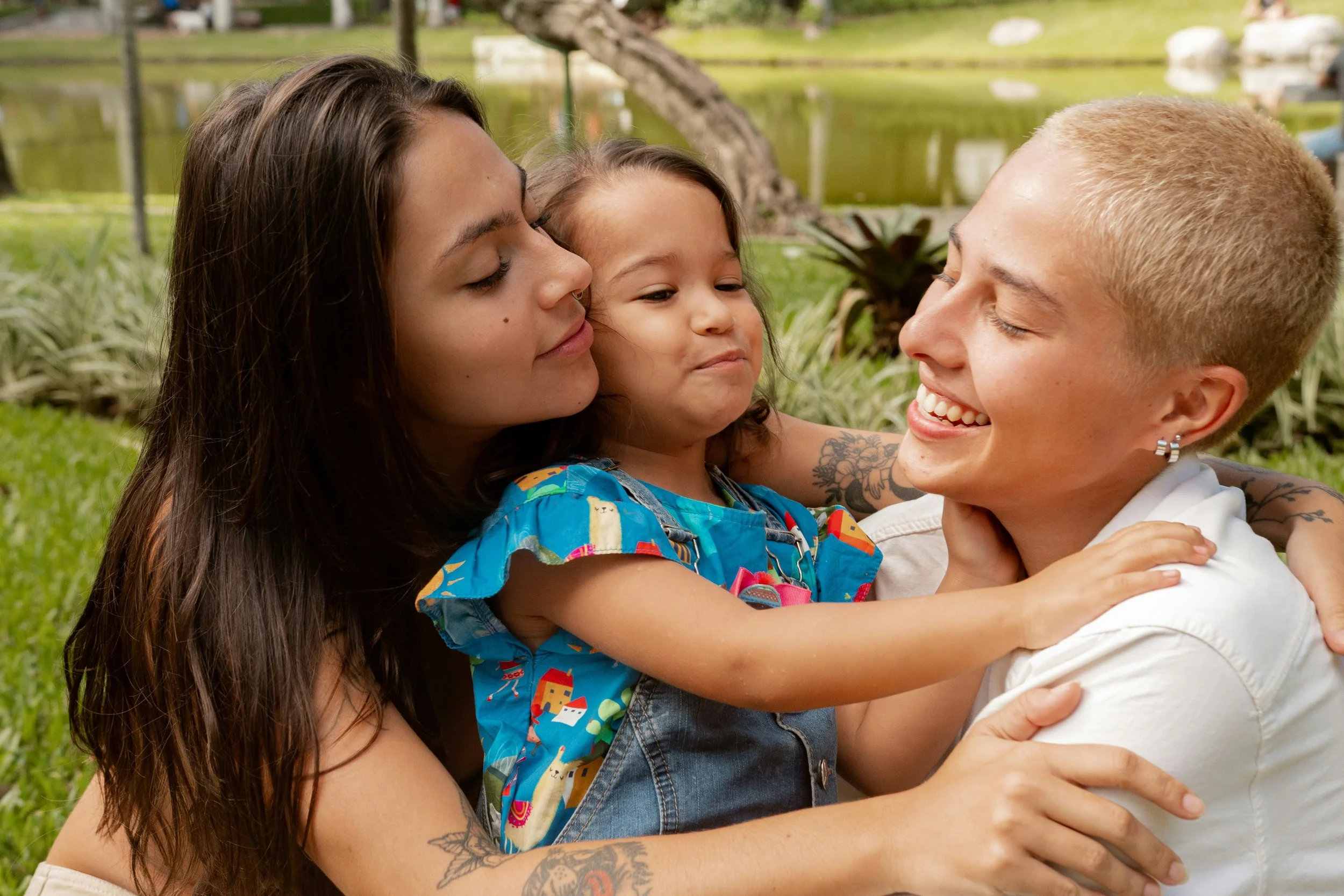


Child-Parent Psychotherapy (CPP) is an evidence-based therapy approach for treating young children (0-6) who have experienced trauma, domestic violence, loss of a parent, or separation from a parent or primary caregiver. This unique approach involves working heavily with the parent or primary caregiver to recognize symptoms of trauma and attachment disruption and understand age-appropriate responses.
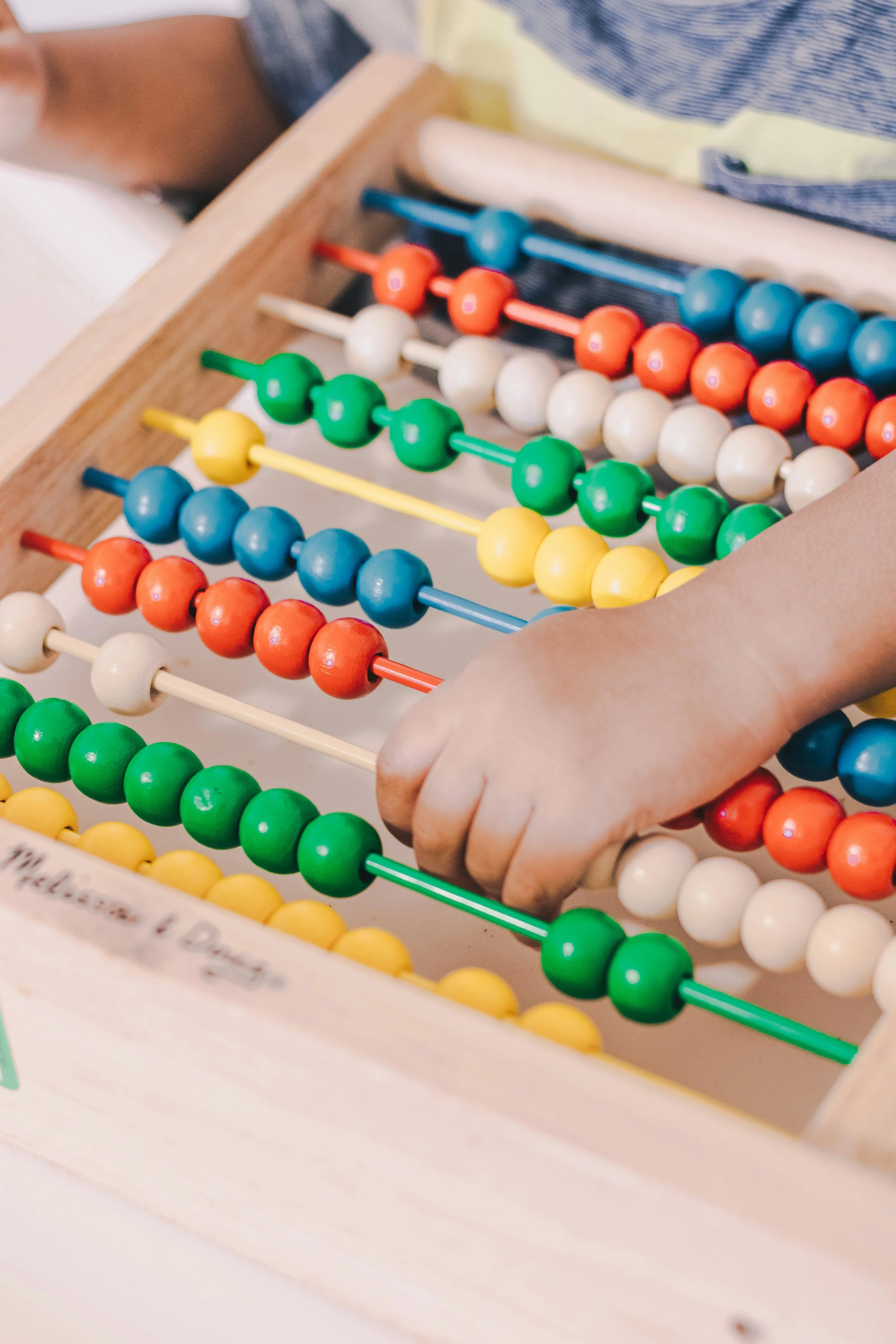
Trauma in young children often appears differently than parents expect. Symptoms of trauma may include:
Big emotions
Severe tantrums
Kicking
Hitting
Clinginess
Hyperactivity
Disorganization
Dysregulation
It can be challenging to know how to support and respond to young children because they often can’t tell us what’s wrong. A young child typically won’t say that they are scared. Rather, they will hit or scream or throw their toys. They may show us what happened to them by recreating it in play. A therapist who is trained in working with children in this age group can help you make sense of your child’s behavior and provide the support they need.
Our Process
Child-Parent Psychotherapy is for both you and your child. The process starts with at least one (and sometimes 2-3) meetings with the parent(s) only so that we can gather information about your child, get their full developmental history, and understand the trauma that they witnessed or experienced. Sometimes parents also have their own traumatic experiences that they are reacting to which make it difficult to be present with or help their child. This is a supportive space for parents to understand their own reactions and have support in being the kind of parents they want to be. During these meetings, we will also discuss how to introduce counseling to your child. You know your child best and will be the best resource on how to help them feel comfortable in the therapy room.
Parent-Child Sessions
After the parent sessions, we will have a series of parent-child sessions. It’s very important that these sessions be focused on you and your child without other siblings or family members present. This will be a time to play with your child and to promote attachment and bonding, which is crucial for the development of young children. Often, children “act out” what happened to them in play. Other times, their play appears disorganized, or they either avoid or cling excessively to a parent or caregiver. Your therapist will guide you through how to respond to your child and will encourage your child to communicate and work through feelings in play.
Follow-Up Parent Meetings
There will also be regular follow-up parent meetings to discuss your child’s progress and to share observations or concerns regarding the child’s play or behavior in sessions or at home. These meetings can be used to plan for future parent-child sessions and are an opportunity for parents to ask questions about the process.
Young children have unique needs and require a different approach to therapy than adults. Most therapists are not trained in how to treat very young children (or have learned that these children are “too young” for therapy). Our therapists who provide Child-Parent Psychotherapy have gone through an extended training process to have the skills to support you and your child.
If you believe Child-Parent Psychotherapy would benefit you and your child, please contact us to schedule an appointment.